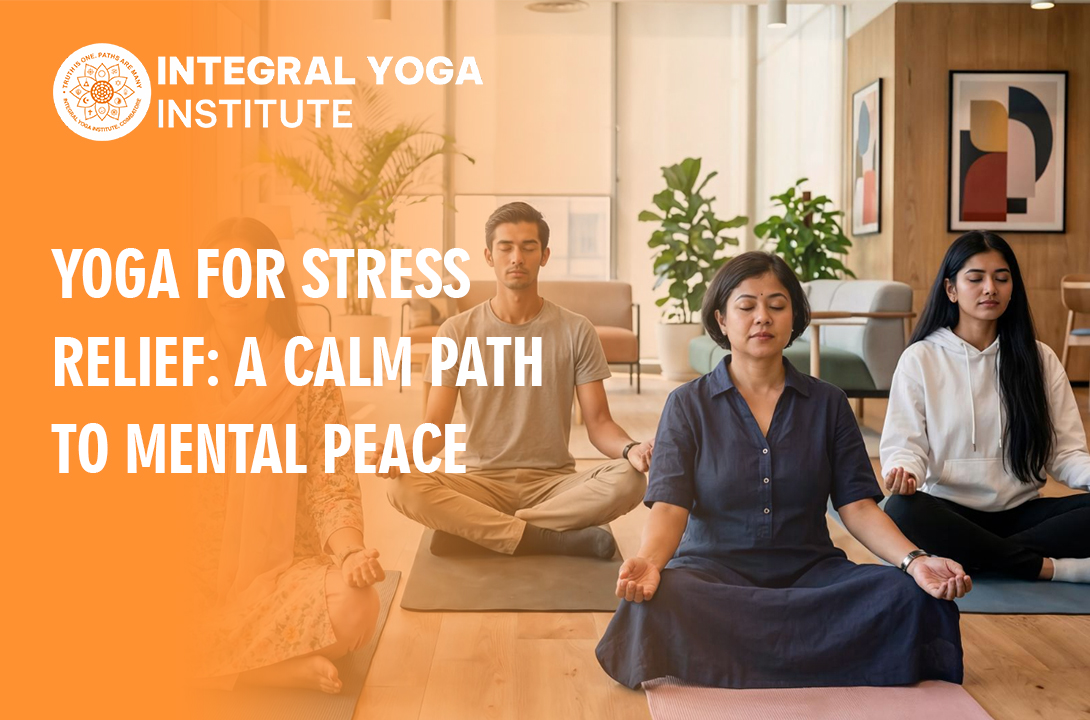
Yoga for stress relief
Yoga for stress relief is one of the simplest and most natural ways to bring the body and mind back into balance. In today’s fast-moving life, many people feel pressure from work, family duties, health worries, studies, and constant screen time. Stress may begin as a small feeling of tension, but over time, it can affect sleep, mood, breathing, focus, and even relationships.
Yoga helps because it works on the Physical, mental and emotional levles. It combines gentle movement, mindful breathing, relaxation, and self-awareness. Thus it feels different from a regular workout. A person may enter a yoga class feeling heavy, restless, or tired, and leave with a softer breath and a clearer mind.
At Integral Yoga Institute, Coimbatore, yoga is presented as a complete path that includes postures, breathing, deep relaxation and meditation, not just physical exercise. This makes it a meaningful practice for anyone looking for long-term peace, not just short-term relief.
How Stress Affects the Body and Mind
Stress is the body’s natural response to pressure. A little stress can help a person stay alert, finish work, or face a challenge. But when stress stays for too long, the body remains in a state of tension. The shoulders become tight, breathing becomes shallow, sleep becomes disturbed, and the mind keeps jumping from one thought to another.
Many people do not notice stress early. They may only feel tired, irritated, distracted, or emotionally drained. Over time, this can affect daily life. A normal conversation may turn into an argument. Even rest may not feel restful.
Yoga helps by slowing things down. When a person moves gently, breathes deeply, and pays attention to the present moment, the nervous system begins to relax. That is the beauty of yoga. It teaches the body to feel safe again. Once the body relaxes, the mind often follows.
Why Yoga Creates Mental Peace Naturally
Why Yoga Creates Mental Peace Naturally
One reason yoga works well is that it brings our attention back to the present moment. Stress often grows when the mind dwells on the past or worries about the future. A person may worry about what happened yesterday or what may happen tomorrow. During yoga, attention returns to the body, breath, and movement. This simple shift can make the mind feel lighter and more peaceful.
The Integral Yoga Approach to Inner Calm
Integral Yoga gives a wider view of wellness. It does not treat yoga as only stretching, fitness, or posture practice. Instead, it brings together the body, breath, mind, heart, and inner life. This approach is useful for stress because stress also affects every part of a person.
Integral Yoga combines different branches of yoga and supports balanced growth of the individual. Its goal includes an easeful body, a peaceful mind, and a useful life. That message fits perfectly with stress relief because people do not only want flexible bodies; they want peaceful days and meaningful lives.
This approach may include asanas for the body, pranayama for the breath, meditation for the mind, and relaxation practices for emotional release. It also encourages compassion, mindfulness, and self-discipline.
Breathing Practices for Stress Management
Breathing is one of the fastest ways to influence the mind. When a person is stressed, the breath usually becomes short and fast. When the breath becomes slow and steady, the body receives a signal that it can relax.
Simple breathing practices can be done almost anywhere. A student can practice before an exam. An office worker can practice before a meeting. A parent can practice after a long day. Even a few minutes can create a noticeable shift.
Here is a simple breathing table for beginners:
The key is not to force the breath. Breathing should feel smooth and comfortable. If dizziness or discomfort appears, it is better to stop and return to normal breathing.
Pranayama works best when learned from a trained teacher, especially for beginners. With proper guidance, breath becomes a bridge between body and mind.
Gentle Yoga Poses for Relaxation
Not every yoga practice needs to be intense. For stress relief, gentle poses are often more helpful than difficult ones. The aim is not to impress anyone. The aim is to soften the body, calm the breath, and quiet the mind.
Forward bends, gentle twists, supported resting poses, and slow stretches can help release stored tension. Many people carry stress in the neck, shoulders, lower back, jaw, and hips. A calm yoga sequence can bring awareness to these areas and help them relax.
Yoga should never feel painful. A stretch is fine, but sharp pain is a warning sign. Props, cushions, chairs, and wall support can make practice safer and more comfortable.
Meditation for Emotional Balance
Meditation is the quiet heart of yoga. While postures help relax the body, meditation helps settle the mind. It teaches a person to watch thoughts without getting pulled into every one of them.
For stress relief, even five minutes of meditation can help. A person can sit comfortably, close the eyes, and observe the natural breath. Thoughts will come, and that is normal. The practice is not about stopping thoughts. It is about returning gently to the breath again and again.
Meditation also builds patience. A person begins to notice emotional patterns. Instead of reacting quickly, they pause. That pause is powerful. It can change the way someone speaks, works, listens, and handles pressure.
Yoga Nidra for Deep Rest
Yoga Nidra is often called yogic sleep, but it is not ordinary sleep. It is a guided relaxation practice where the body rests deeply while awareness remains present. For people who feel mentally tired, emotionally heavy, or physically drained, Yoga Nidra can be deeply refreshing.
Integral Yoga Institute Highlights Yoga Nidra practice as a way to overcome muscular, mental, and emotional stress while supporting healing and self-discovery. This makes it especially useful for people who struggle to relax even when they have free time.
During Yoga Nidra, the practitioner usually lies down comfortably and follows guided instructions. The teacher may guide awareness through the body, breath, feelings, and inner calm. There is no need to perform or achieve anything. The only job is to listen and rest.
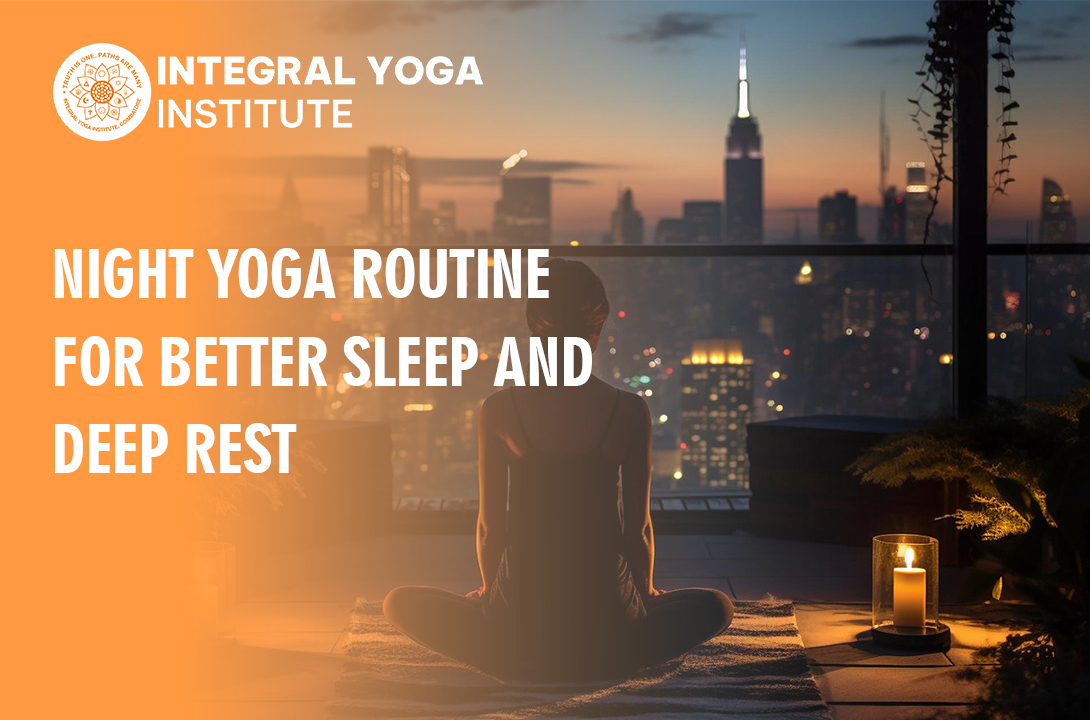
For stress relief, Yoga Nidra can be practiced in the evening, after work, or before sleep. It may help people shift from constant doing into peaceful being.
Yoga for Office Stress and Busy Lifestyles
Modern work life can create silent stress. Long sitting hours, deadlines, phone calls, traffic, and screen use can leave the body stiff and the mind tired. Many people finish work without noticing how much tension they are carrying.
Yoga can help office workers reset during the day. Simple chair stretches, shoulder rolls, wrist movements, neck relaxation, and breathing breaks can make a big difference. These practices do not require special clothes or a yoga mat.
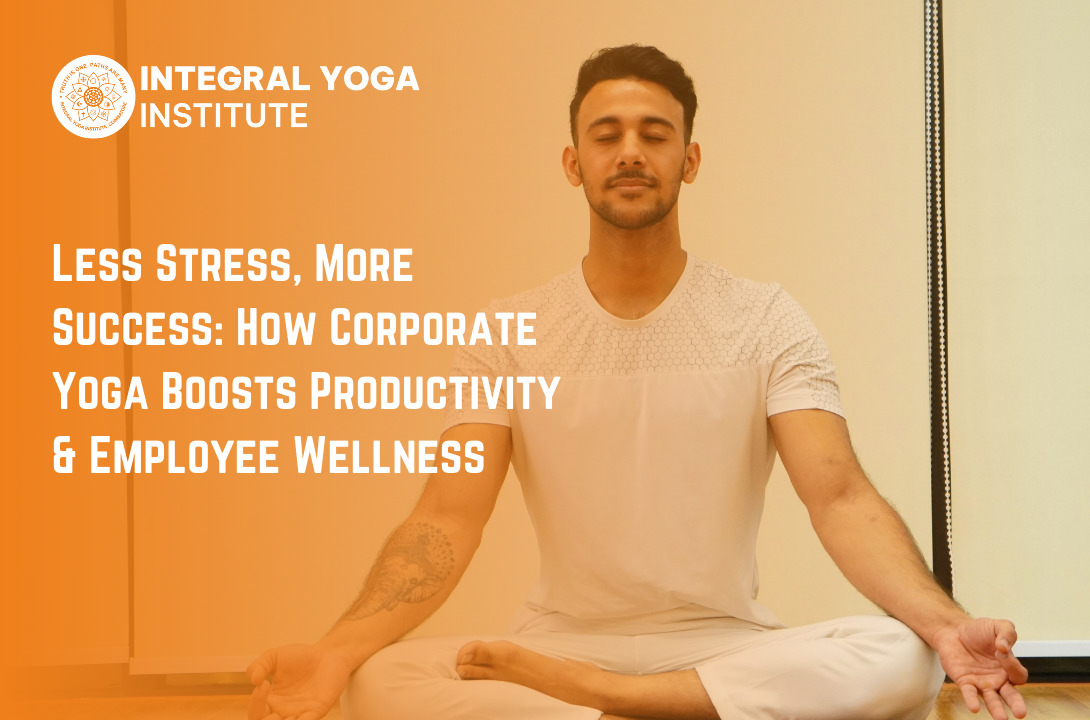
Corporate yoga is also becoming popular because companies now understand that employee wellness affects focus, teamwork, and productivity. Integral Yoga Institute offers yoga for corporates and describes Swadharma as a one-day program for executives who want to care for their physical, mental, and emotional health.
For busy people, yoga should feel practical. One minute of conscious breathing before opening email, three gentle stretches between meetings, or a short relaxation after work can reduce daily pressure. Little by little, the workplace becomes less tense and more mindful.
Common Mistakes to Avoid While Practicing Yoga
Many beginners start yoga with excitement, which is wonderful. But sometimes they try too hard too soon. This can create strain instead of peace. Yoga should never become another source of pressure.
One common mistake is comparing oneself with others. Everyone’s body is different. Flexibility, strength, balance, and energy change from person to person. The real practice is not to look perfect. The real practice is to become aware.
Another mistake is holding the breath during poses. Breath should remain smooth. If breathing becomes difficult, the pose may be too strong. It is better to come out gently and rest.
People also skip relaxation at the end of practice. This final rest is important because it allows the nervous system to settle. Without relaxation, yoga may feel incomplete.
The safest approach is to learn from a qualified teacher, especially if someone has health concerns, pain, pregnancy, anxiety, or high stress. Yoga is gentle, but it should still be practiced with care.
Who Can Benefit from Stress Relief Yoga?
Stress relief yoga can help many kinds of people. Students may use it for focus and exam pressure. Working professionals may use it for burnout and body tension. Parents may use it for emotional balance. Senior citizens may use it for gentle movement and calmness.
It can also support people who feel restless, tired, irritated, or mentally overloaded. Since yoga can be modified, it is suitable for different ages and body types. Chair yoga, gentle yoga, breathing practices, meditation, and Yoga Nidra can all be adjusted to match individual needs.
However, yoga should be practiced wisely. People with medical conditions should consult a healthcare professional before starting any new physical routine. Yoga can support wellness, but it should not replace medical treatment when treatment is needed.
The best part is that yoga meets people where they are. One does not need to be flexible, young, slim, or experienced. A willing heart, a steady breath, and regular practice are enough to begin.
When to Join a Guided Yoga Class
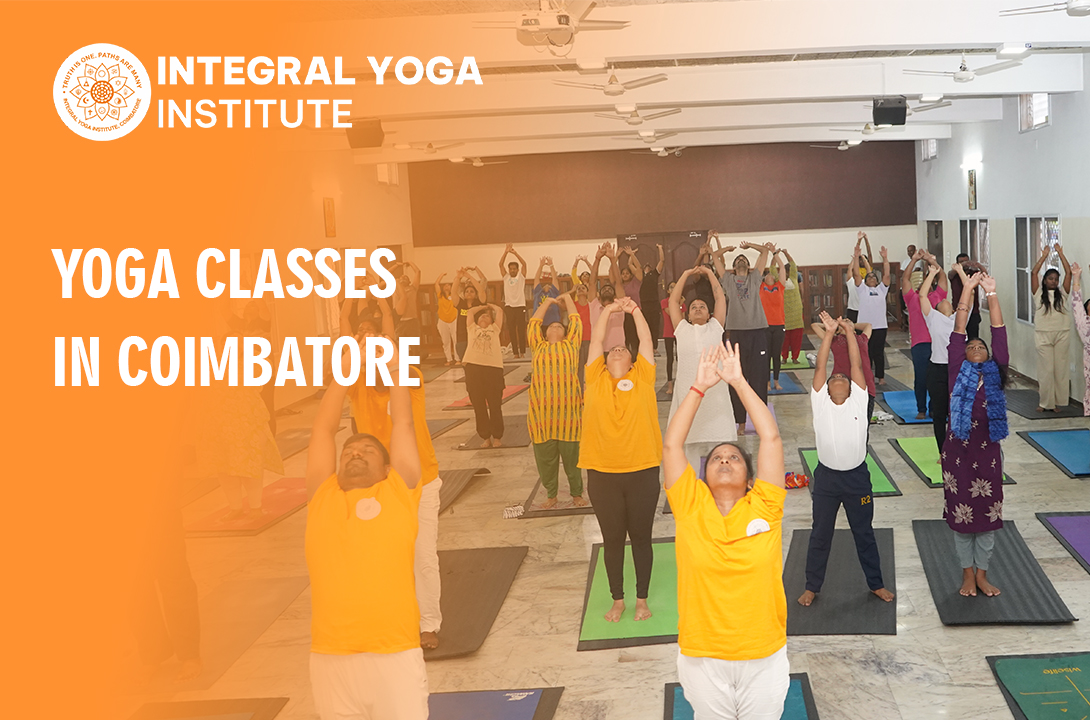
Self-practice is useful, but guided yoga classes offer structure, safety, and motivation. A teacher can correct posture, suggest modifications, guide breathing, and help students understand the deeper meaning of yoga.
For beginners, a class can remove confusion. Many people do not know which poses to practice, how long to hold them, or how to breathe correctly. A trained teacher makes the journey smoother.
A guided class also builds discipline. When people practice in a peaceful space with others, they often feel encouraged. The energy of the group can make the practice more meaningful.
Integral Yoga Institute in Coimbatore describes itself as a welcoming yoga centre that focuses on the connection between body, mind, and spirit, with qualified instructors guiding students in their yoga practice.
For anyone dealing with regular stress, joining a yoga class can be a wise step. It provides not only practice but also support, routine, and community.
Conclusion
Yoga is a gentle yet powerful path to stress relief and mental peace. It helps the body release tension, teaches the breath to slow down, and gives the mind a place to rest. With regular practice, yoga can change how a person responds to daily pressure.
The beauty of yoga is that it is simple, flexible, and deeply personal. A person can begin with one breath, one stretch, or one quiet moment. Over time, these small moments become a steady source of strength.
For those seeking a deeper and more balanced practice, Integral Yoga offers a complete approach that includes the body, mind, breath, and inner life. It reminds us that peace is not far away. It is already within us, waiting to be uncovered through patient and sincere practice.